Passer au contenu principal Passer à la recherche Passer à la navigation principale
schedule Expédition sous 24h
package_2 Toutes les pièces sont conformes au MDR
headset_mic Achat confortable sur compte
schedule Service client : +31 88 0531000
check
Économisez de l'argent par rapport aux pièces d'origine
check
Pièces de rechange entièrement conformes au MDR
check
Compatible avec votre équipement OEM

Design ergonomique pour un maximum de confort : comment nos commandes manuelles améliorent le service et la durabilité

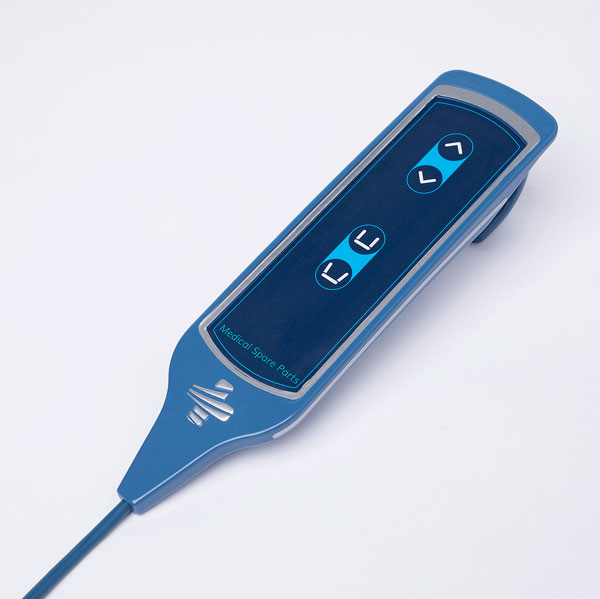
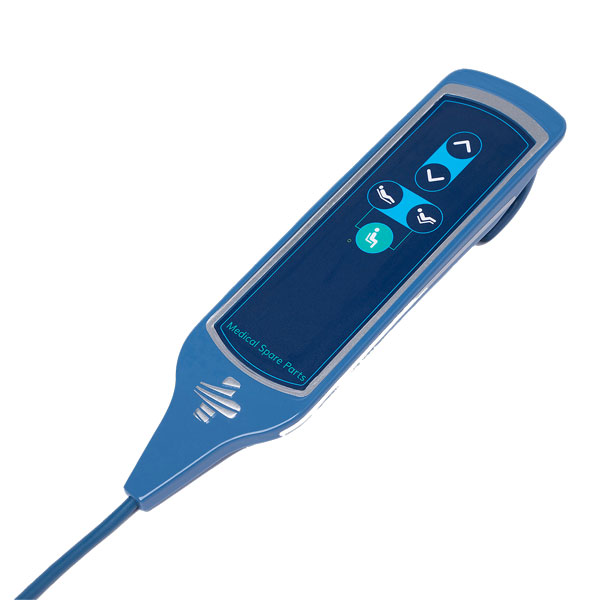
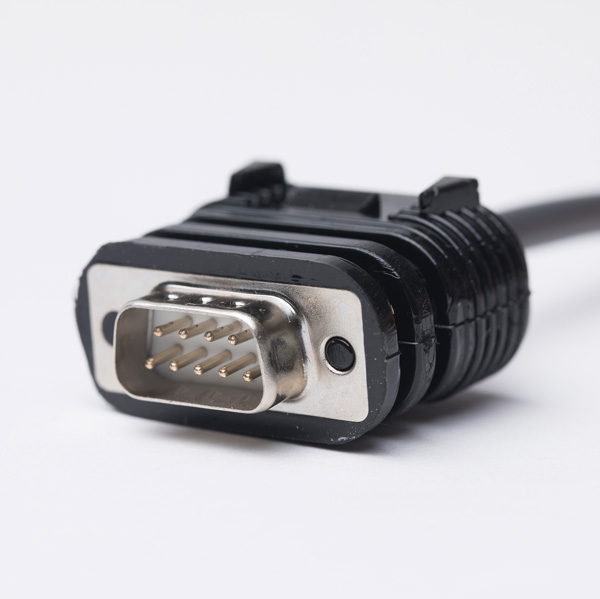
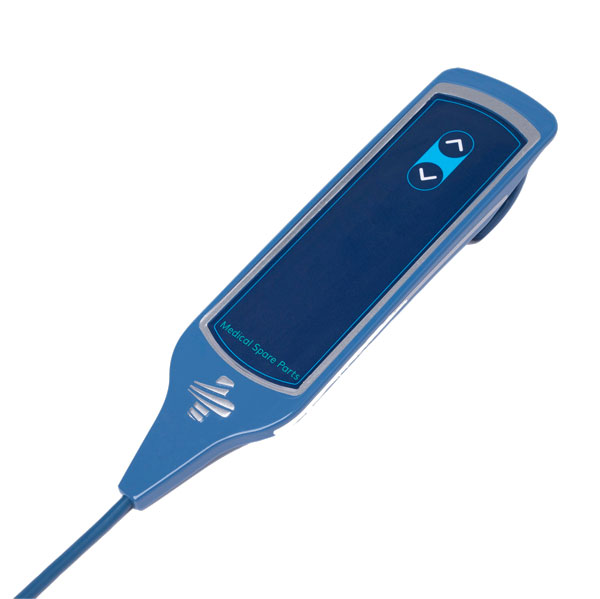
Chaque jour, nos clients travaillent avec des appareils et équipements médicaux qui sont généralement actionnés par une commande manuelle. MSP développe des commandes manuelles de remplacement de pointe qui fonctionnent parfaitement avec votre lève-personne, chaise de douche et plus encore. Améliorez votre expérience de travail avec les commandes manuelles de MSP Medical - une fusion parfaite entre design ergonomique et fonctionnalité intuitive.

Amélioration du service et de la durabilité

Les travailleurs de la santé courent un risque de blessure provenant d'un certain nombre de sources, y compris les outils et appareils avec lesquels ils travaillent. En ajustant intelligemment les commandes manuelles, les mouvements inutiles sont éliminés, ce qui entraîne non seulement une amélioration du bien-être physique, mais également une augmentation de l'efficacité et de la productivité du travail. Avec nos commandes manuelles, nous visons à améliorer la qualité, la sécurité et l'efficacité des dispositifs médicaux utilisés par les soignants. Nous explorerons 4 améliorations significatives qui offrent une expérience confortable et sans stress. Découvrez 4 améliorations importantes

1. Evaluate patient mobility and medical condition 

Before using a patient lift first check if the patient can assist with a transfer. It is important to assess the patient's ability to participate. In the case of partial ability and upper extremity strength in both arms, have the patient lift while the caregiver gently repositions their knees. Addressing this question beforehand can prevent the caregiver from being put in a potentially hazardous situation and minimize the risk of injury. In addition evaluate the patient weight and overall condition and verify the guidelines of the patient lift to ensure the lift is appropriate. 

Determine how much support from other care givers is needed to safely lift the patient. For certain transfers, a full body or sit-to-stand lift can be incredibly helpful. These lifts are designed to support the patient's full weight, reducing the strain on the caregiver's neck, back, and shoulders. Always make sure you have correct lift and sling for patient’s condition.

1. Evaluate patient mobility and medical condition 

Before using a patient lift first check if the patient can assist with a transfer. It is important to assess the patient's ability to participate. In the case of partial ability and upper extremity strength in both arms, have the patient lift while the caregiver gently repositions their knees. Addressing this question beforehand can prevent the caregiver from being put in a potentially hazardous situation and minimize the risk of injury. In addition evaluate the patient weight and overall condition and verify the guidelines of the patient lift to ensure the lift is appropriate. 

Determine how much support from other care givers is needed to safely lift the patient. For certain transfers, a full body or sit-to-stand lift can be incredibly helpful. These lifts are designed to support the patient's full weight, reducing the strain on the caregiver's neck, back, and shoulders. Always make sure you have correct lift and sling for patient’s condition.

2. Select patient's sling size 

Evaluate the patient's size, weight, and hip measurements before selecting a sling. Following the manufacturer's recommended patient measurements will ensure that you choose the appropriate sling size. It is critical to get the sizing right; using a sling that is too large can result in the patient slipping out, while a sling that is too small can cause the patient to fall. 

Avoid these potential hazards by carefully assessing the patient's measurements and choosing the right sling.

3. Communicate to the patient and prepare environment

Clear and effective communication is key in safe patient transfers. Before conducting the transfer its is vital to communicate with the patient. Explain the transfer process and let them know what to expect. This will minimize the change of confusion during the transfer.

Operating a patient lift usually requires the assistance of two or more caregivers. To ensure a safe lift, properly position the lift base legs close to the patient's device and clear a path for the lift to move freely. Having a well-positioned lift and a clear path will make the lift operation smoother and minimize the risk of any incidents.

1. Evaluate patient mobility and medical condition 

Before using a patient lift first check if the patient can assist with a transfer. It is important to assess the patient's ability to participate. In the case of partial ability and upper extremity strength in both arms, have the patient lift while the caregiver gently repositions their knees. Addressing this question beforehand can prevent the caregiver from being put in a potentially hazardous situation and minimize the risk of injury. In addition evaluate the patient weight and overall condition and verify the guidelines of the patient lift to ensure the lift is appropriate. 

Determine how much support from other care givers is needed to safely lift the patient. For certain transfers, a full body or sit-to-stand lift can be incredibly helpful. These lifts are designed to support the patient's full weight, reducing the strain on the caregiver's neck, back, and shoulders. Always make sure you have correct lift and sling for patient’s condition.

4. Place patient in sling

1.Place patient in sling. Position center of sling under patient’s spine. Place leg straps flat under patient; do not let material fold. Make sure sling opening is not large enough to let patient slip out or too small to let patient fall out. 

 2 Lower sling bar down to patient. Do not let sling bar hit patient.

 3 Attach sling straps to sling bar as directed by manufacturer. Use matching loops from each side to ensure sling is balanced. Choose loops that provide best angle and position for patient. Ensure all clips or loops are secure and will stay attached as patient is lifted. Ensure straps are not twisted. Ensure patient's head and/or back is supported, if needed.

5. Preform a safety check 

Before lifting the patient, perform safety check: Examine all hooks and fasteners to ensure they will not unhook during use. Double-check position and stability of straps and other equipment before lifting patient. Ensure clips, latches and bars are securely fastened and structurally sound.

1. Evaluate patient mobility and medical condition 

Before using a patient lift first check if the patient can assist with a transfer. It is important to assess the patient's ability to participate. In the case of partial ability and upper extremity strength in both arms, have the patient lift while the caregiver gently repositions their knees. Addressing this question beforehand can prevent the caregiver from being put in a potentially hazardous situation and minimize the risk of injury. In addition evaluate the patient weight and overall condition and verify the guidelines of the patient lift to ensure the lift is appropriate. 

Determine how much support from other care givers is needed to safely lift the patient. For certain transfers, a full body or sit-to-stand lift can be incredibly helpful. These lifts are designed to support the patient's full weight, reducing the strain on the caregiver's neck, back, and shoulders. Always make sure you have correct lift and sling for patient’s condition.

6. Lift the patient 

Ensure patient security by lifting them 2 inches off the surface. Confirm the following:

  • Sling straps are properly secured on the sling bar and won't slip.
  • Weight is distributed evenly among the straps.
  • Patient is secure and won't slide or tip. Check for comfort:
  • Sling does not cause any skin irritation or discomfort.
  • Verify patient comfort by asking and observing non-verbal cues.
  •  Gradually lift the patient as high as needed during transfer. 
  •  Continuously monitor patient comfort and ensure sling does not cause any harm.

7. Lower the patient 

  • Assist the patient by applying gentle pressure as you move the lift towards the receiving surface.
  • Gradually lower the patient onto the surface, positioning them correctly before releasing their weight.
  • Release their weight carefully, ensuring that the sling bar does not hit them.
  • Disconnect the sling from the lift according to the manufacturer's instructions.
  • Safely remove the sling from the patient, taking care not to cause any skin irritation.
  • Support seated patients to prevent them from falling forward during sling removal.

Découvrez certaines de nos commandes manuelles les plus vendues
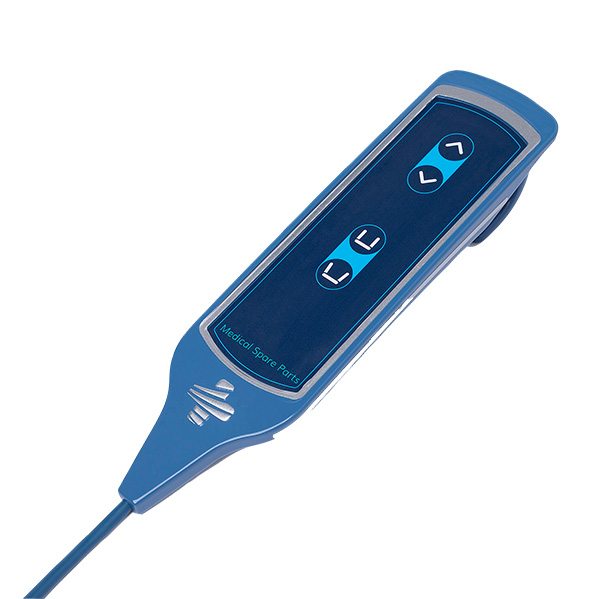


Handcontrol 4-button High/Low + Legspread - MSP-HH-AH-13000
Art nr: MSP-HH-AH-13000
165,71 € Incl. VAT
136,95 € Excl. VAT

Note moyenne de 5 sur 5 étoiles

Handcontrol 5-button replaces 8560032/8560036
Art nr: MSP-HH-AH-11100
147,56 € Incl. VAT
121,95 € Excl. VAT
Handcontrol 2-button | High/Low | MSP-HH-AH-10200
Art nr: MSP-HH-AH-10200
142,72 € Incl. VAT
117,95 € Excl. VAT


Choisir la bonne commande manuelle


Améliorez instantanément la qualité, la sécurité et l'efficacité des dispositifs médicaux en utilisant nos appareils portatifs. Nos appareils portables fonctionnent de manière transparente avec les dispositifs médicaux d'Arjo et de Medibo. Vous pouvez trouver le numéro de produit OEM pour trouver facilement votre ordinateur portable de remplacement. Contactez-nous pour vos besoins spécifiques ou vos questions.

Retour aux nouvelles