Beheers de technieken van veilige patiënten transfers
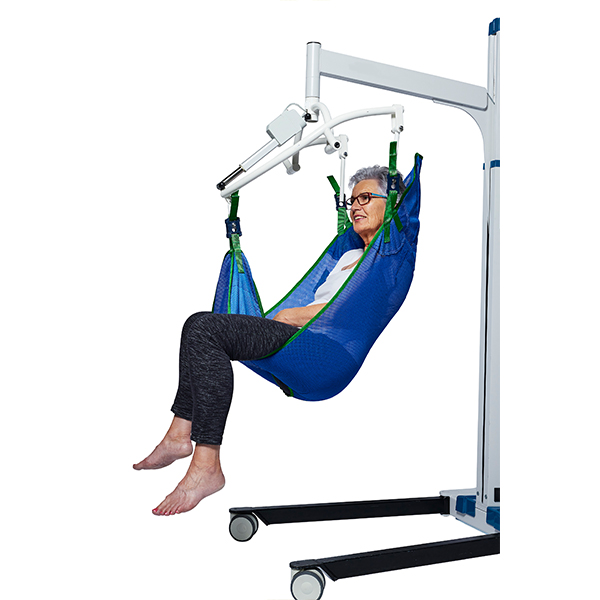
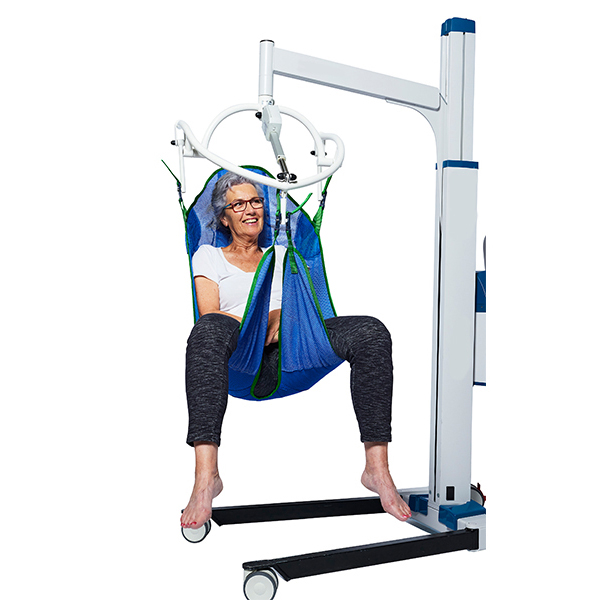
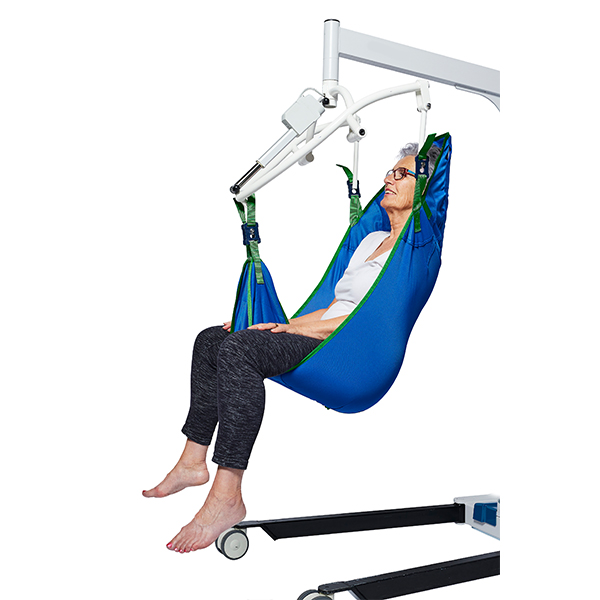
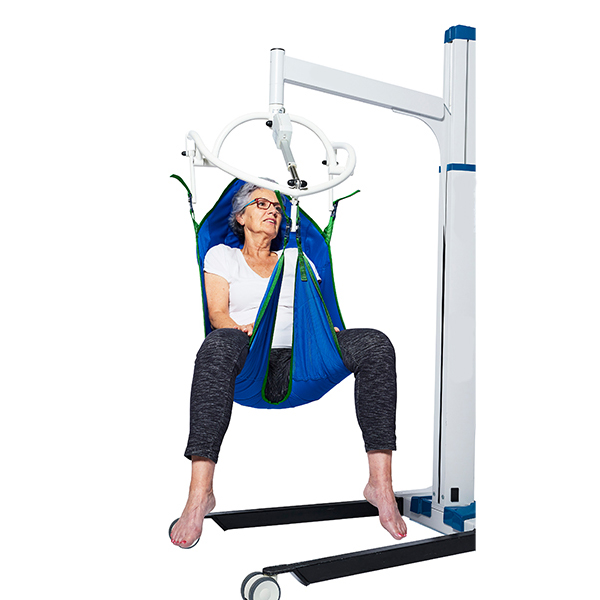
Onze patiëntentilbanden worden gebruikt om cliënten die niet in staat zijn hun eigen gewicht op een veilige manier te dragen, te verplaatsen. De juiste techniek is van cruciaal belang, aangezien een aanzienlijk deel van de verwondingen van gezondheidswerkers optreedt tijdens het verplaatsen van patiënten. Tot 60% van deze verwondingen zijn te wijten aan overbelasting. Dit benadrukt het belang van een goede training en uitrusting
Bekijk enkele technieken om de veiligheid van zowel patiënten als zorgverleners te waarborgen

1. Evaluate patient mobility and medical condition
Before using a patient lift first check if the patient can assist with a transfer. It is important to assess the patient's ability to participate. In the case of partial ability and upper extremity strength in both arms, have the patient lift while the caregiver gently repositions their knees. Addressing this question beforehand can prevent the caregiver from being put in a potentially hazardous situation and minimize the risk of injury. In addition evaluate the patient weight and overall condition and verify the guidelines of the patient lift to ensure the lift is appropriate.
Determine how much support from other care givers is needed to safely lift the patient. For certain transfers, a full body or sit-to-stand lift can be incredibly helpful. These lifts are designed to support the patient's full weight, reducing the strain on the caregiver's neck, back, and shoulders. Always make sure you have correct lift and sling for patient’s condition.
2. Select patient's sling size
Evaluate the patient's size, weight, and hip measurements before selecting a sling. Following the manufacturer's recommended patient measurements will ensure that you choose the appropriate sling size. It is critical to get the sizing right; using a sling that is too large can result in the patient slipping out, while a sling that is too small can cause the patient to fall.
Avoid these potential hazards by carefully assessing the patient's measurements and choosing the right sling.


3. Communicate to the patient and prepare environment
Clear and effective communication is key in safe patient transfers. Before conducting the transfer its is vital to communicate with the patient. Explain the transfer process and let them know what to expect. This will minimize the change of confusion during the transfer.
Operating a patient lift usually requires the assistance of two or more caregivers. To ensure a safe lift, properly position the lift base legs close to the patient's device and clear a path for the lift to move freely. Having a well-positioned lift and a clear path will make the lift operation smoother and minimize the risk of any incidents.


5. Preform a safety check
Before lifting the patient, perform safety check: Examine all hooks and fasteners to ensure they will not unhook during use. Double-check position and stability of straps and other equipment before lifting patient. Ensure clips, latches and bars are securely fastened and structurally sound.


7. Lower the patient
- Assist the patient by applying gentle pressure as you move the lift towards the receiving surface.
- Gradually lower the patient onto the surface, positioning them correctly before releasing their weight.
- Release their weight carefully, ensuring that the sling bar does not hit them.
- Disconnect the sling from the lift according to the manufacturer's instructions.
- Safely remove the sling from the patient, taking care not to cause any skin irritation.
- Support seated patients to prevent them from falling forward during sling removal.
Bekijk onze tilbanden